Biology 2019 Jamb Examination

Biology 2019 Jamb Examination

Available Sections
2. Career
4. Job
1...45678

Question 51

The movement of blood between the heart and all other parts of the body beside the lungs is
Show explanation Expand Question
Systemic circulation refers to the flow of blood from the heart to the rest of the body and back, excluding the lungs. It delivers oxygen and nutrients to tissues and removes carbon dioxide and wastes efficiently.
Not clear enough?

Question 52

The change in the genetic make up of an organism resulting in an inheritable characteristics which is new is
Show explanation Expand Question
A mutation is a permanent alteration in the DNA sequence of an organism. Such genetic changes can be inherited if they occur in gametes, leading to new traits that may affect survival or reproduction.
Not clear enough?

Question 53

The organic molecule(s) present in the nucleus is/are
Show explanation Expand Question
The nucleus contains primarily DNA, which stores genetic information. Proteins such as histones are associated with DNA to form chromatin, but DNA itself is the essential organic molecule responsible for inheritance.
Not clear enough?

Question 54

Albinism is an expression of trait controlled by
Show explanation Expand Question
Albinism results from recessive alleles that prevent melanin production. Individuals must inherit two copies of the recessive gene, one from each parent, for the trait to be expressed visibly.
Not clear enough?

Question 55

The male sex cells also called gametes are produced in the testes by a process called
Show explanation Expand Question
Spermatogenesis is the process by which male gametes, or sperm cells, are produced in the seminiferous tubules of the testes. It involves meiosis and differentiation to form functional sperm capable of fertilization.
Not clear enough?

Question 56

Which of the following describes an example of fertilization in higher organisms?
Show explanation Expand Question
Fertilization occurs when the sperm nucleus fuses with the egg nucleus, forming a zygote. This fusion restores the diploid number of chromosomes and initiates the development of a new organism.
Not clear enough?

Question 57

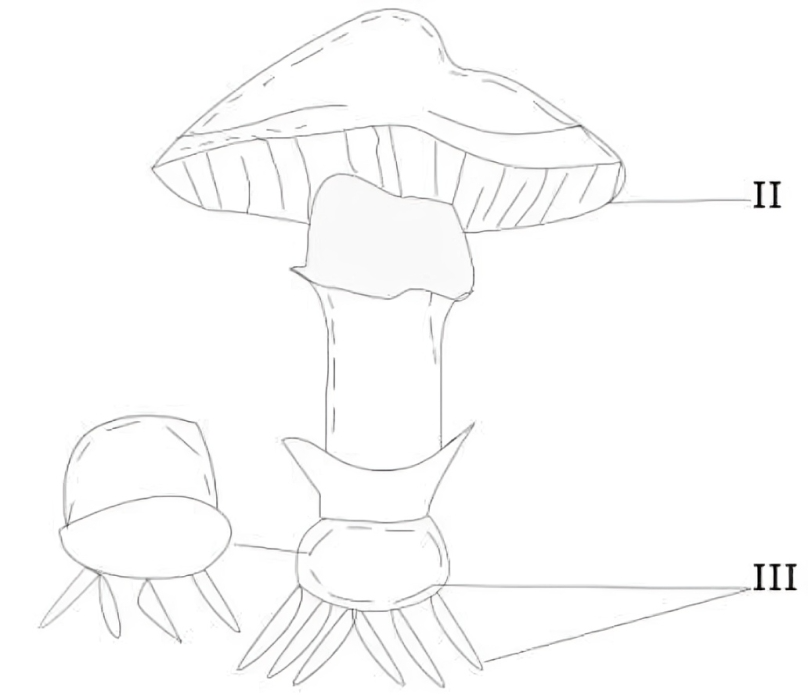
The part labeled III in the above diagram is
Show explanation Expand Question
The part labeled III in the diagram is hyphae, which are filamentous structures in fungi. They absorb nutrients from the environment by secreting enzymes and increasing surface area for nutrient uptake.
Not clear enough?

Question 58

The organism above can be found in
Show explanation Expand Question
Fungi, like the one shown in the diagram, thrive in moist environments where there is sufficient water for enzymatic activity and spore germination. Moist habitats support their growth and reproduction.
Not clear enough?

Question 59

The possession of chloroplast in Euglena virids enables it to
Show explanation Expand Question
Euglena viridis contains chloroplasts, which allow it to photosynthesize, converting light energy, water, and carbon dioxide into glucose and oxygen. This autotrophic adaptation helps the organism survive when light is available.
Not clear enough?

Question 60

Viruses are pathogens of the following diseases except
Show explanation Expand Question
Tuberculosis is caused by bacteria (Mycobacterium tuberculosis) rather than viruses. In contrast, measles, smallpox, and poliomyelitis are viral diseases, highlighting the distinction between viral and bacterial pathogens.
Not clear enough?

1...45678

You might like


In this page
Biology 2019 Jamb Examination
Open Model!