
Biology 2009 Jamb Examination

Question 31
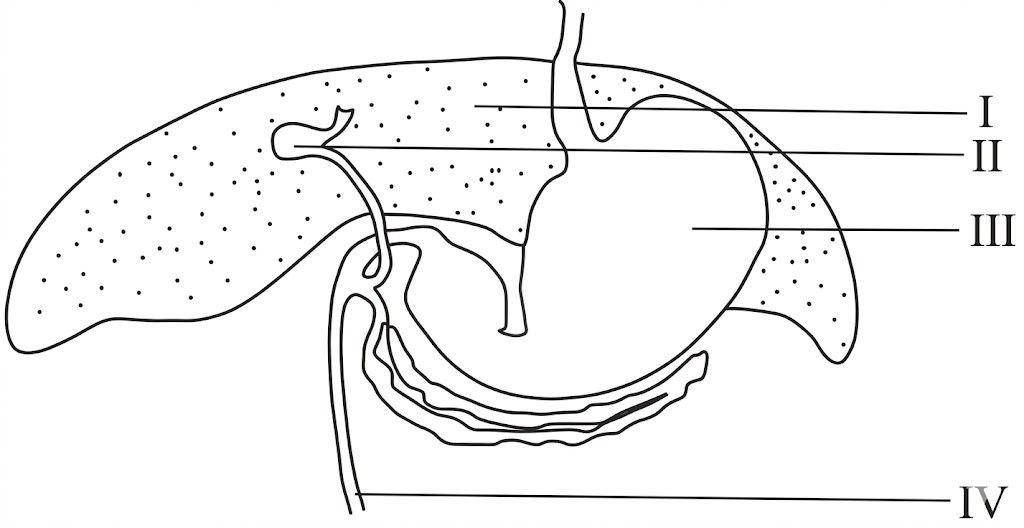
Use the diagram above to answer this question.
The content of the part labelled lll is usually?
It also provides defense against pathogens and ensures enzymes function properly, making the stomach an acidic environment essential for efficient digestion.
Not clear enough?
Question 32
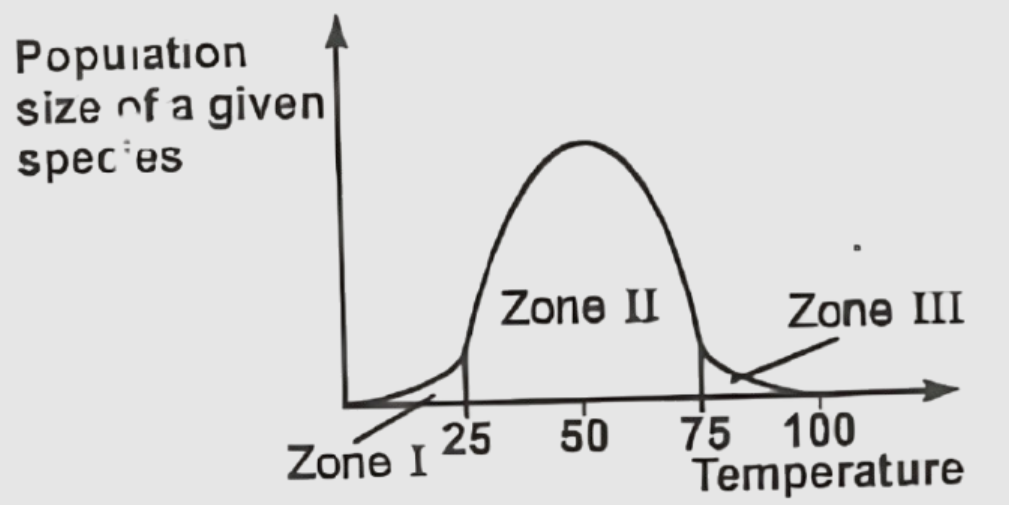
Use the diagram above to answer this question.
The zone of physiological stress is represented by?
The optimum zone is at the center (II), where organisms thrive best. Therefore, the stress zones are at the margins, represented by I and III.
Not clear enough?
Question 33
Use the diagram above to answer this question.
The optimum temperature for the growth of the organism is
Not clear enough?
Question 34
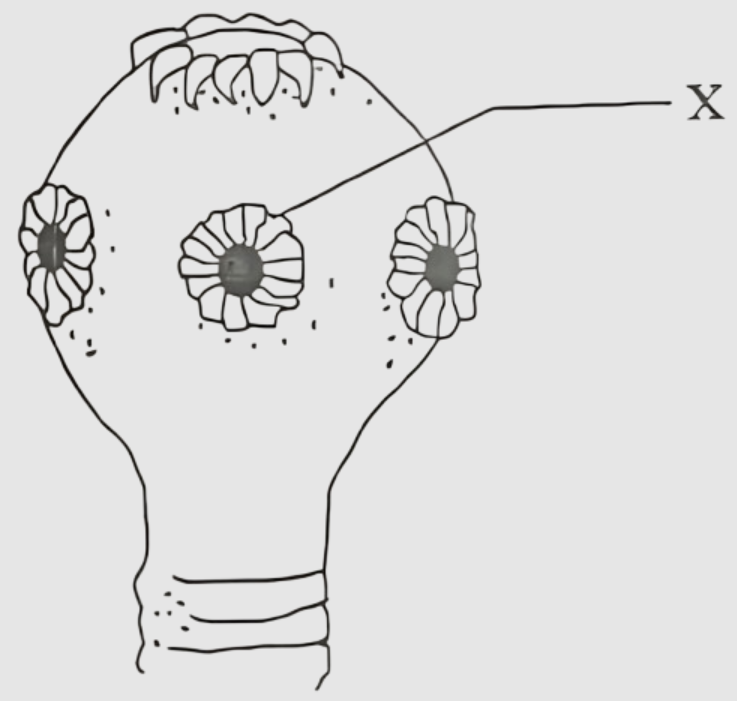
In the diagram, the structure labelled X is for?
This is essential for survival in the host because it prevents dislodgement and allows continuous access to nutrients.
Not clear enough?
Question 35
In the diagram, the habitat of the organism is
Other options such as streams, forests, or the stomach do not provide the correct specialized environment that matches its adaptation.
Not clear enough?
Question 36
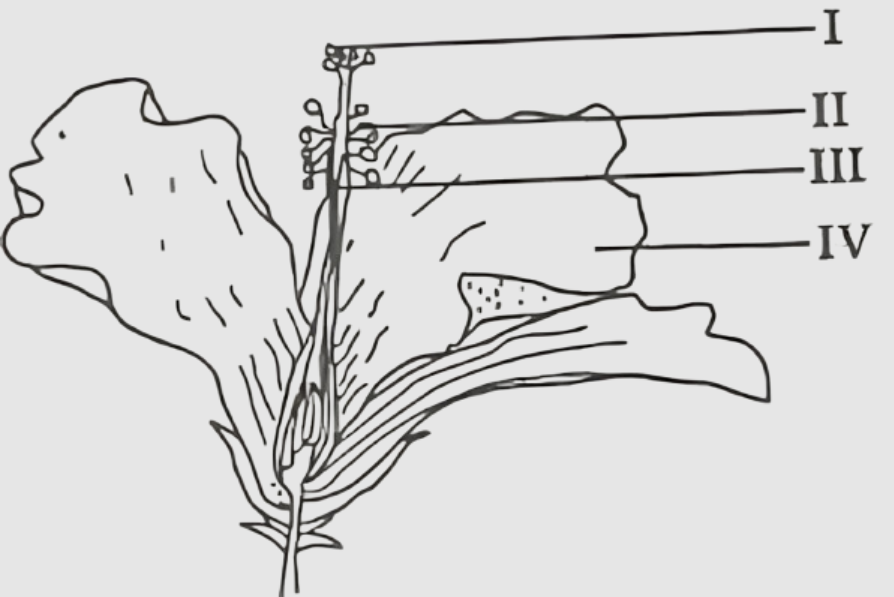
In the diagram, the male sex cells are contained in the part labelled?
The stamen serves as the male reproductive structure in flowering plants.
It is made up of an anther, where pollen is produced, and usually a slender filament that supplies water and nutrients to the anther while also holding it in a position that supports efficient pollen release.
Not clear enough?
Question 37
In the diagram, the likely pollinating agent of the flower is?
Unlike wind-pollinated flowers, which are usually small and inconspicuous, insect-pollinated flowers invest in color and nectar to attract insects. Therefore, the likely pollinating agent is insects.
Not clear enough?
Question 38
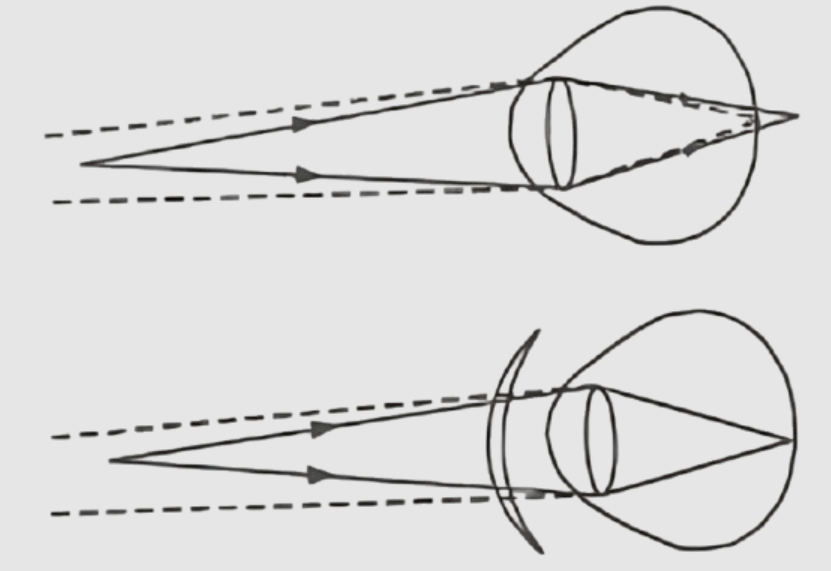
In the diagram, the eye defect illustrated is?
Not clear enough?
Question 39
In the diagram, the function of the correcting lens is to?
Not clear enough?
Question 40
Not clear enough?
You might like
The weight W kg of a metal bar varies jointly as its length L meters and the square of its diameter d meters. If W = 140 when d = 42/3 and L = 54, find d in terms of W and L.
Use the following information below to answer this question
Five hundred naira monthly is allowed on an imprest system. The following transactions took place
| Period 1: | ₦ |
| Cash advanced to petty cashier | 500 |
| Petty cashier paid out: Stamp | 200 |
| Newspaper | 250 |
| Period 2: | |
| Cash to petty cashier | 450 |
| Cashier paid for writing materials | 350 |
How much should the petty cashier receive after period 2?
From the novel; Othello
The question is based on William Shakespeare's Othello
ill-starred wench: Pale as thy smoke; When we shall meet at comp"
The device used in the line above is__________